Generic Ozempic Is Coming to Canada: What It Means for Your Weight Loss Journey
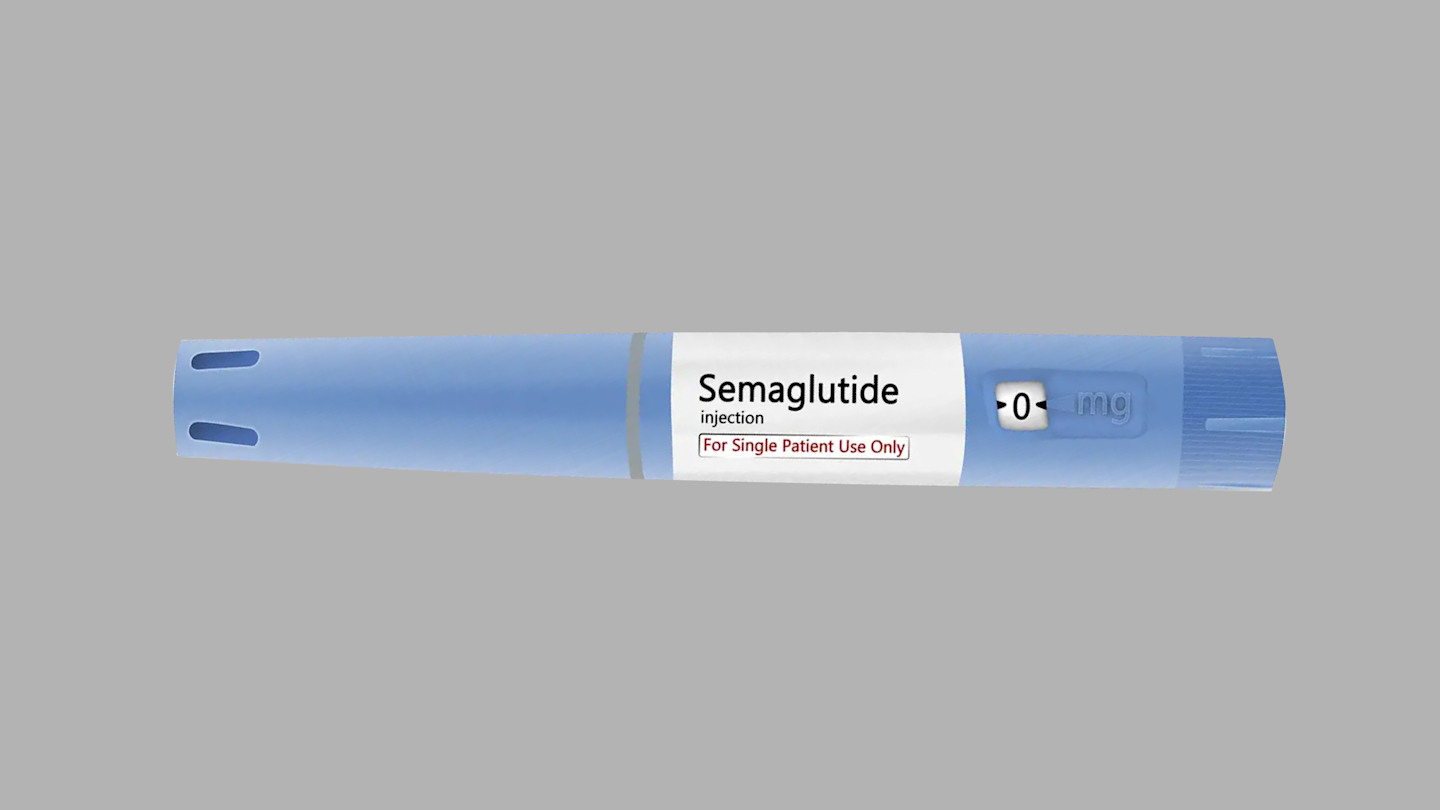
If you’ve been paying attention to the obesity and weight loss space, you’ve probably heard rumblings about cheaper generic versions of Ozempic, Wegovy, and similar obesity medications becoming available in Canada for as little as $100 per month.
For a lot of people, that’s going to be a very big deal.
Not because these medications are magic.
And not because they’re replacing healthy habits.
But because cost has been one of the biggest barriers preventing many people from accessing treatments that can help them lose fat and genuinely improve their health and quality of life.
As a coach, I think this is largely a good thing.
But I also think there are some important realities that aren’t being talked about enough.
First, Let’s Get Something Straight
Obesity is not simply a willpower problem.
If it were, most people would have solved it already.
The underlying physiology of obesity is incredibly complex. Hunger signals, satiety signals, food reward, genetics, environmental factors, stress, sleep, and metabolic adaptations all play a role.
For many people, GLP-1 medications help level the playing field by reducing appetite, improving satiety, and making it easier to maintain a calorie deficit without feeling constantly hungry.
That doesn’t mean they’re effortless.
It means they make adherence easier.
And adherence is often the biggest challenge.
The Potential Benefits
The research on GLP-1 medications is impressive.
Many people experience:
Significant weight loss
Reduced food cravings
Better appetite control
Improved blood sugar regulation
Improvements in blood pressure and metabolic health markers
Better mobility and quality of life
For someone carrying 50, 75, or 100+ pounds of excess body fat, these changes can be life-changing.
That’s not an exaggeration.
The health benefits of substantial weight loss often far outweigh the risks associated with the medication itself.
The Risks Nobody Should Ignore
The biggest mistake people make is assuming that losing weight automatically means improving body composition.
Those are not the same thing.
When weight loss happens quickly, some of that weight can come from:
Body fat
Water
Glycogen
Lean body mass
And that’s where problems can start.
Some people lose a significant amount of muscle during aggressive weight loss.
Others become weaker, less functional, and end up with a slower metabolism than necessary.
This isn’t an argument against GLP-1 medications.
It’s an argument against using them without a proper plan.
Common side effects can also include:
Nausea
Vomiting
Constipation
Diarrhea
Fatigue
Reduced food intake to the point where nutritional needs aren’t being met
When appetite becomes very low, getting enough protein and overall nutrition can become surprisingly difficult.
Why Strength Training Matters More Than Ever
If you’re using a GLP-1 medication, strength training is not optional.
It’s one of the most important things you can do.
Your body doesn’t know you’re trying to preserve muscle.
It only knows what it’s being asked to keep.
Strength training sends a clear signal:
“These muscles are still needed.”
Without that signal, your body has less reason to hang on to lean tissue while you’re losing weight.
The goal isn’t just to become lighter.
The goal is to become leaner while maintaining as much strength and muscle as possible.
That’s a very different outcome.
Protein Becomes Even More Important
Most people already struggle to eat enough protein.
That challenge becomes even greater when appetite is suppressed.
Protein helps:
Preserve lean body mass
Support recovery
Improve satiety
Improve body composition outcomes during weight loss
If someone is eating dramatically less food overall, protein needs to become a priority.
Not an afterthought.
This Is Where Coaching Can Make a Massive Difference
The conversation around GLP-1 medications is often polarized.
One side treats them like a miracle cure.
The other side treats them like they’re cheating.
Both positions miss the point.
These medications are tools.
Very effective tools for many people.
But tools still need to be used properly.
The best outcomes typically happen when medication is combined with:
A structured nutrition plan
Adequate protein intake
Progressive strength training
Appropriate activity levels
Ongoing monitoring and adjustment
That’s where professional guidance becomes valuable.
Not because coaches replace medication.
But because coaches help ensure the weight you’re losing is primarily body fat, while minimizing many of the common pitfalls that come with rapid weight loss.
The Bottom Line
As generic GLP-1 medications become more accessible and affordable in Canada, more people will have the opportunity to benefit from them.
Overall, I think that’s a positive development.
But medication alone is rarely the complete answer.
The people who tend to get the best long-term results are the ones who combine these tools with intelligent nutrition, consistent strength training, and a sustainable plan they can actually stick to.
Losing weight is one thing.
Maintaining muscle, strength, health, and quality of life while doing it is what really matters.